Designing a boutique hotel's website to increase direct bookings, reduce third-party fees, and highlight the authentic guest experience.

(Interactive prototype)
Intro

La Campagna di San Francesco is a hotel in Italy that opened in 2024. It occupies an 18th-century rural farmhouse and is situated at a central location, making it an ideal hub for exploring the region.

Before the hotel opened, as the renovation work was wrapping up, I began collaborating with the staff to design the website, create the visual identity, and define the overall brand experience. The core challenge was to build a digital and visual presence that could communicate warmth, character, and a strong sense of place to someone who had never visited.

Two years later, the website maintains a high and steady conversion rate, and the management receives daily direct booking requests, which have translated into increased revenue for the business.

Role: brand identity, UX, web design and build, print and email communications

Tools: Adobe Creative Suite, Figma, Framer

Intro

La Campagna di San Francesco is a hotel in Italy that opened in 2024. It occupies an 18th-century rural farmhouse and is situated at a central location, making it an ideal hub for exploring the region.

Before the hotel opened, as the renovation work was wrapping up, I began collaborating with the staff to design the website, create the visual identity, and define the overall brand experience. The core challenge was to build a digital and visual presence that could communicate warmth, character, and a strong sense of place to someone who had never visited.

Two years later, the website maintains a high and steady conversion rate, and the management receives daily direct booking requests, which have translated into increased revenue for the business.

Role: brand identity, UX, web design and build, print and email communications

Tools: Adobe Creative Suite, Figma, Framer

Approach

To inform design decisions, I conducted stakeholder interviews with the hotel management and staff to understand target guests, booking processes, and operational pain points. I also reviewed regional hotel websites to identify best practices and gaps, focusing on how authenticity, warmth, and clarity were communicated to potential visitors. These insights guided the website structure, emphasizing rooms, experiences, and clear direct booking paths to reduce friction.

Result

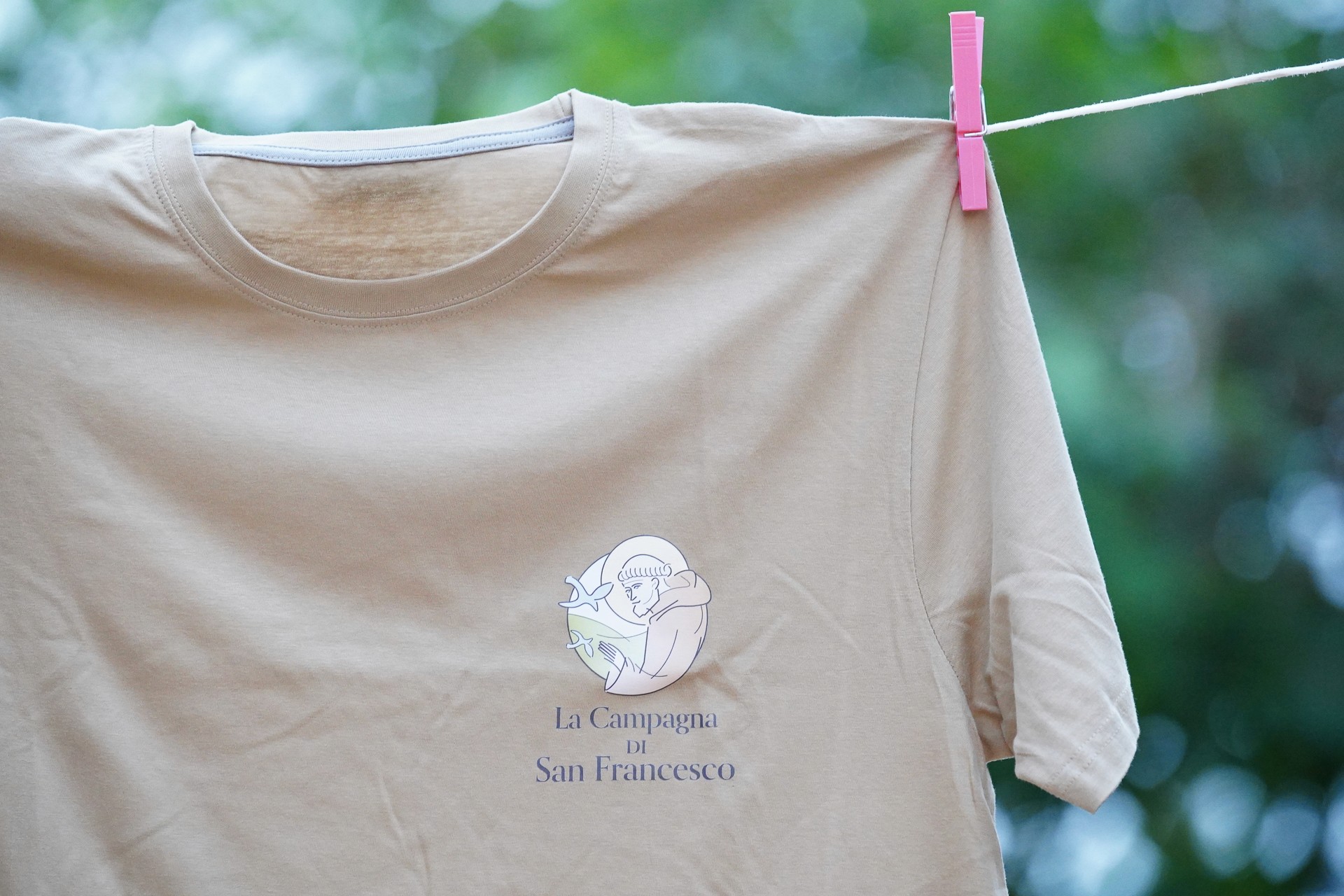
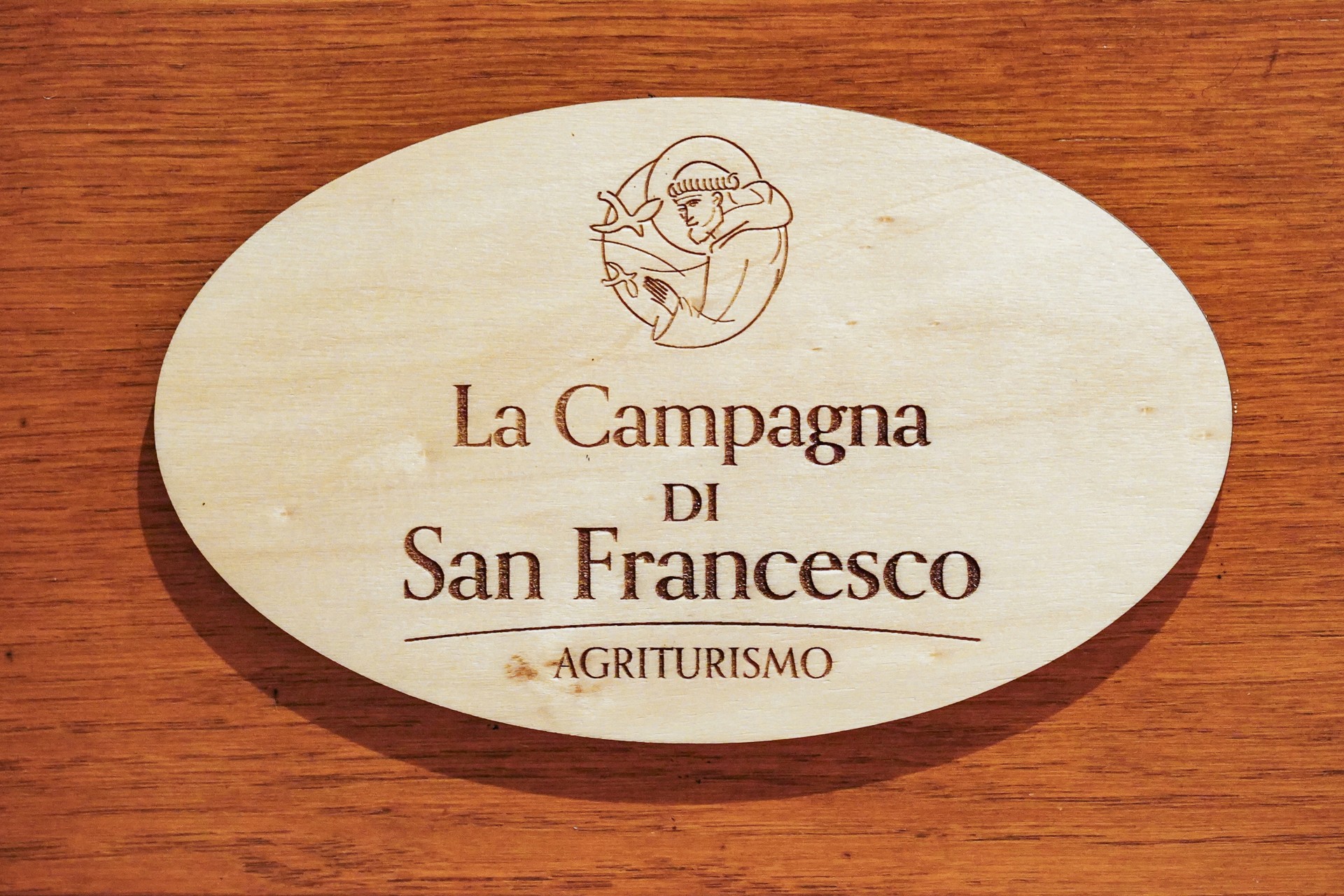
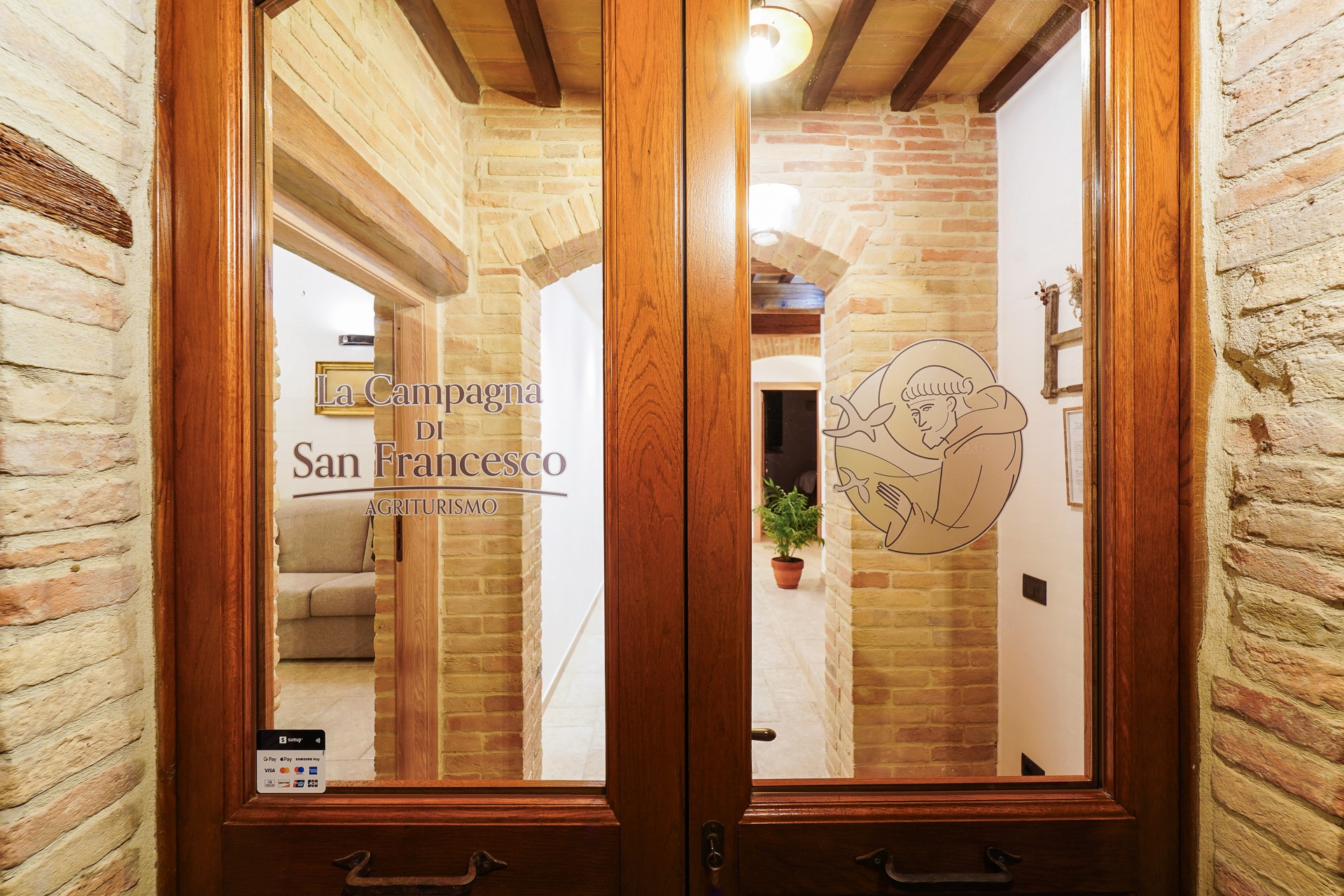
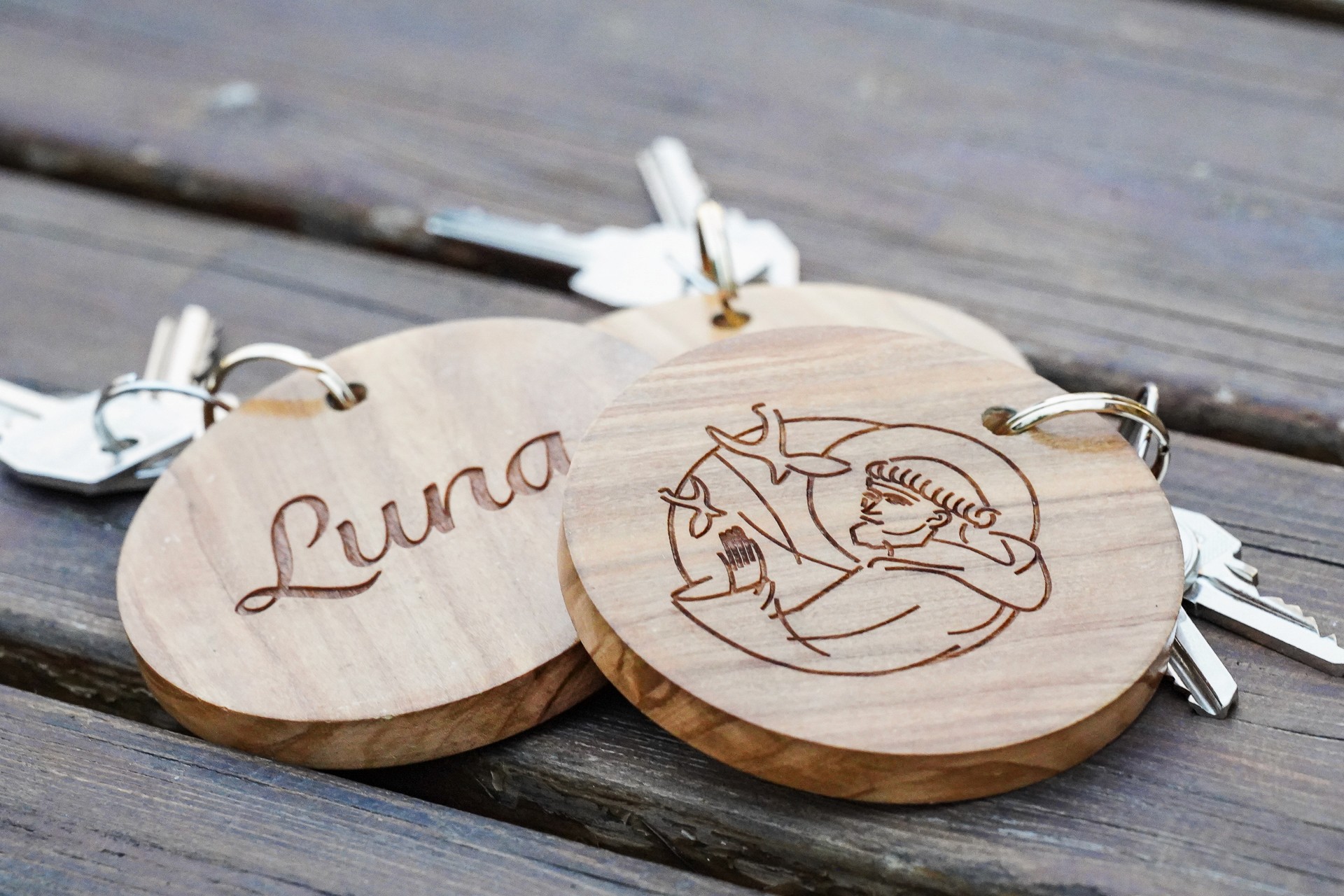
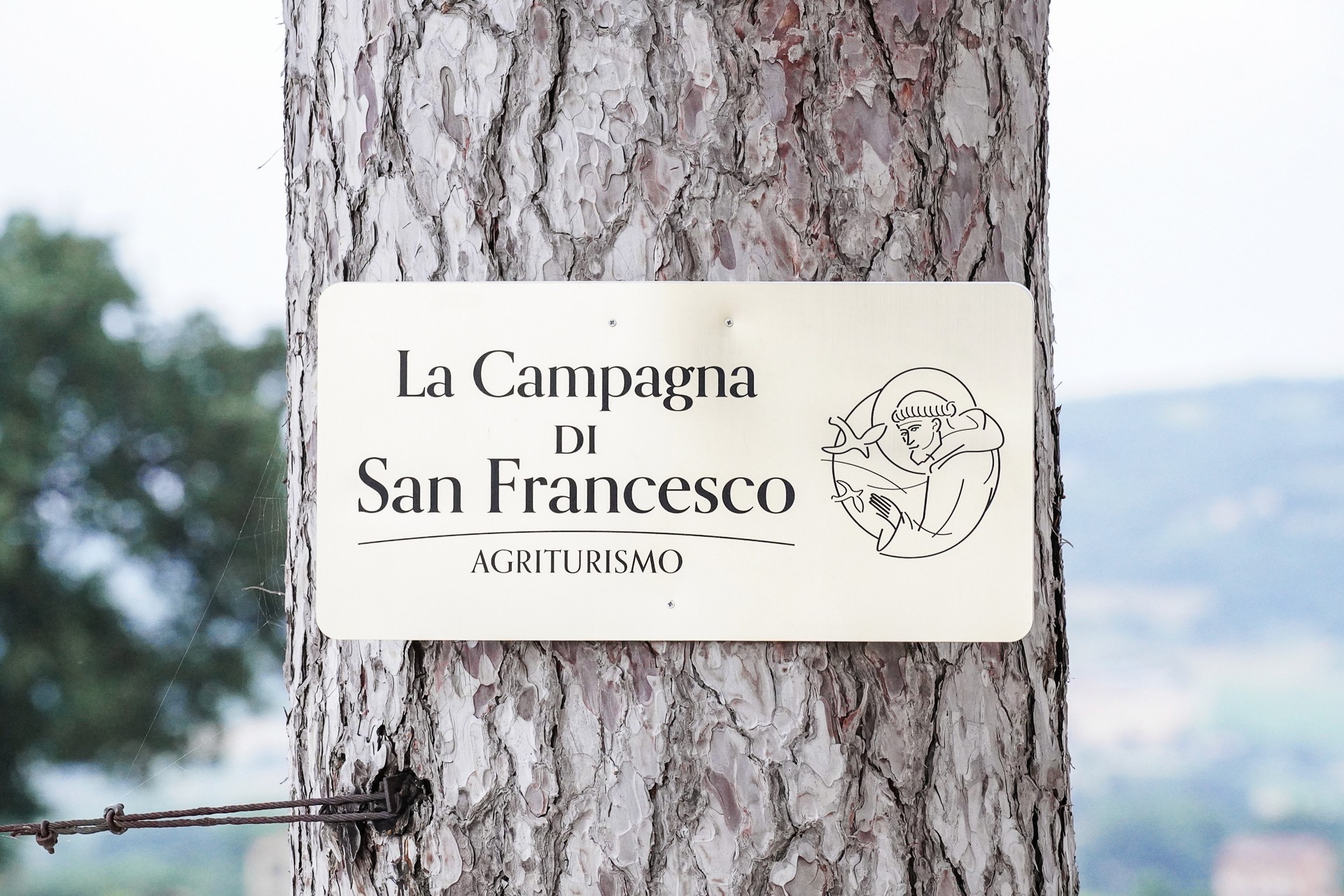
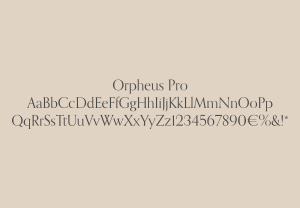
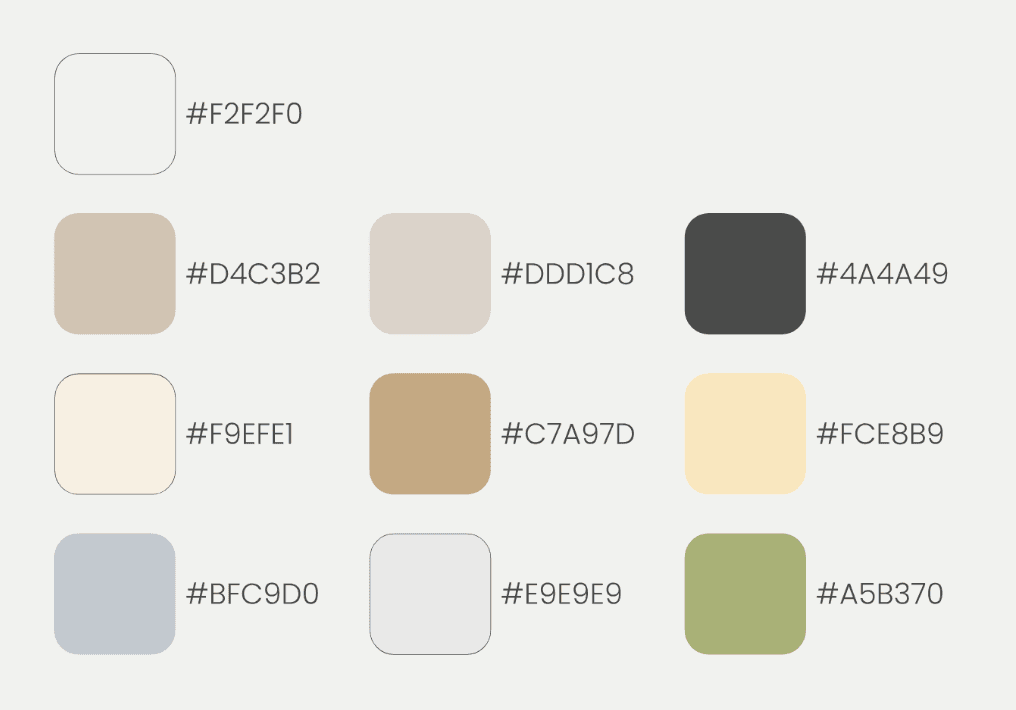
The visual identity was crafted to reflect the farmhouse’s historical character and welcoming atmosphere, using a consistent color palette, typography, and imagery across all touchpoints. This extended beyond the website to on-site signage and printed collateral, ensuring a seamless and cohesive guest experience. Early qualitative feedback from management confirmed that the designs effectively conveyed the hotel’s character, and the simplified booking flow reduced staff time spent answering repetitive inquiries. GA4 tracking has been implemented to monitor engagement and direct booking behavior over time, enabling future data-driven optimizations to further enhance the user experience.
Conclusion

The business launched with a coherent presence across all guest-facing surfaces. The website serves as the primary discovery and conversion tool for both domestic and international guests, and the on-site materials maintain continuity from the moment of arrival through the stay.

About & Contact